Why Choose a Ball Valve Actuator for Your Application?
When evaluating control systems in industrial settings, the choice of a ball valve actuator is vital. Industry reports indicate that effective flow control can improve operational efficiency by up to 30%. A ball valve actuator provides precise regulation for various applications. This precision results in reduced waste and enhanced safety.
In addition, the market for ball valve actuators is projected to grow significantly. According to a recent study, the demand for these devices is expected to surge by 12% annually. This growing trend underscores the importance of selecting the right actuator for your needs. However, some firms still overlook the significance of an efficient actuator in their systems.
The versatility of ball valve actuators cannot be denied. They are key in sectors ranging from water treatment to oil and gas. Yet, companies sometimes fail to assess their specific operational requirements. This oversight can lead to suboptimal performance and missed opportunities for innovation. Selecting the right ball valve actuator is not just about compatibility; it’s also about future-proofing operations.
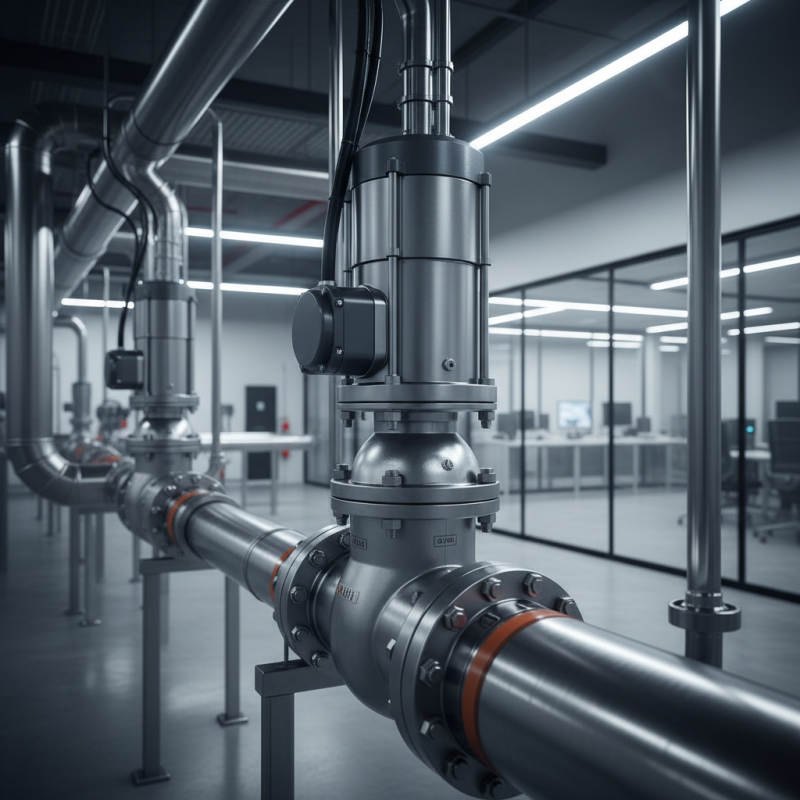
Understanding Ball Valve Actuators and Their Functionality
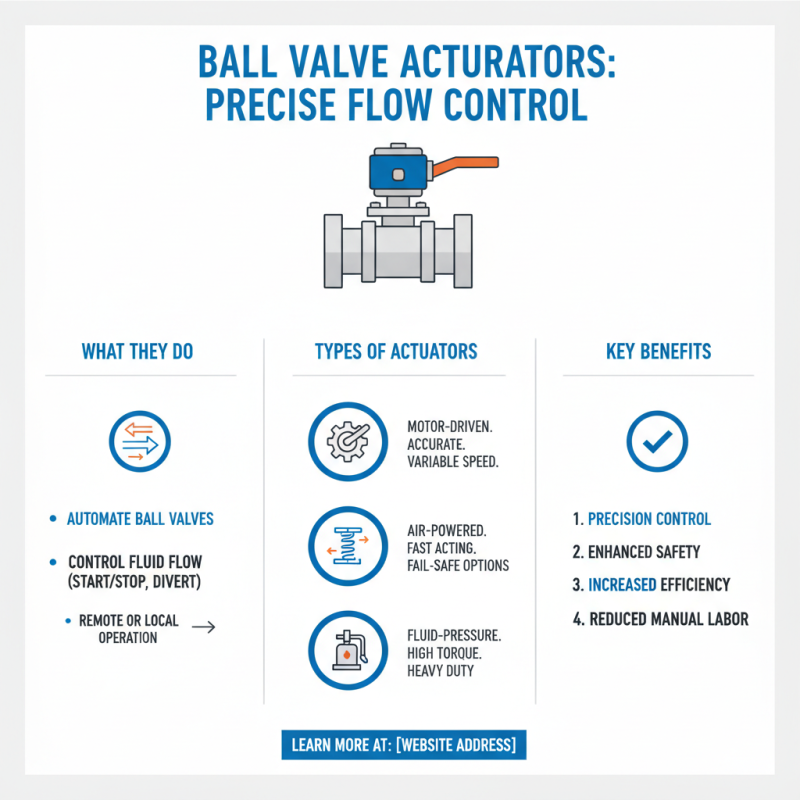
Ball valve actuators play a crucial role in various applications. They offer precise control over fluid flow. Understanding their functionality is essential for making an informed choice.
A ball valve actuator is a device that automates the opening and closing of a ball valve. This automation enhances reliability and efficiency. Users can easily control the valve using electric or pneumatic signals. In industries ranging from oil and gas to water treatment, these actuators streamline processes. For instance, in a chemical plant, operators need swift adjustments to avoid hazards.
However, selecting the right actuator can be challenging. The actuator's size and torque must match the valve specifications. Misalignment can lead to operational inefficiencies. Additionally, environmental factors like temperature and pressure should be considered. Often, users overlook these details, complicating maintenance and increasing downtime. Proper training on actuator specifications is vital. Investing time in understanding these devices may lead to better long-term outcomes.
Key Advantages of Using Ball Valve Actuators in Applications
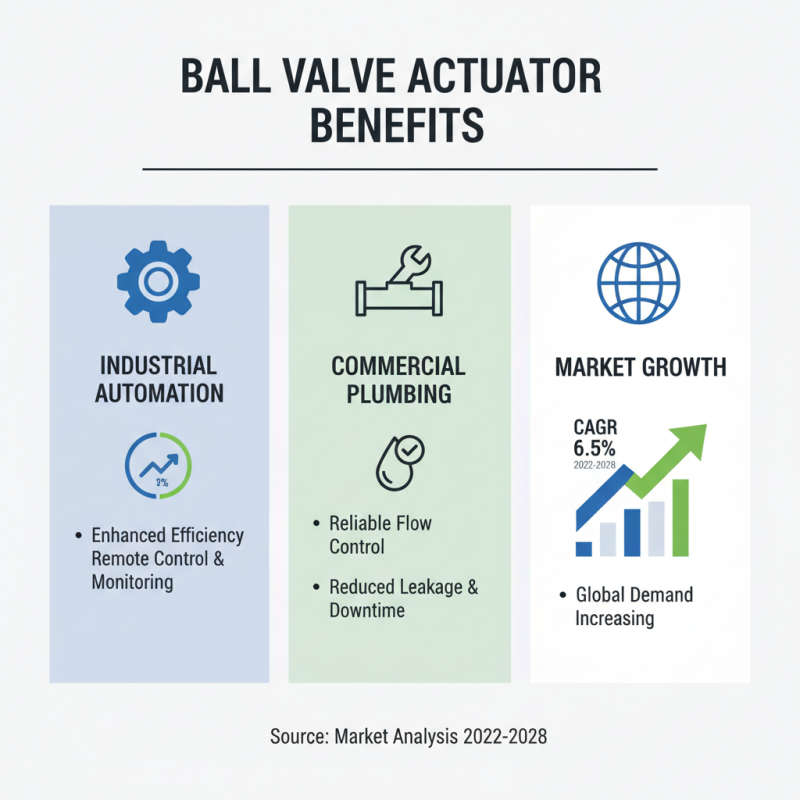
Ball valve actuators offer numerous advantages in various applications, including industrial automation and commercial plumbing. According to a recent market analysis, the global demand for valve actuators is projected to grow at a CAGR of 6.5% from 2022 to 2028. This indicates a robust trend towards automation, where efficiency and reliability are critical.
One primary advantage of ball valve actuators is their speed. They can operate valves quickly, which minimizes response time in critical processes. This is particularly important in industries dealing with hazardous materials, where delays can cause severe risks. Additionally, ball valves provide a tight seal. This reduces leakage, ensuring operational safety and compliance. A report by the International Journal of Automation suggests that automated ball valves can lower the risk of system failures by up to 30%.
Nevertheless, there are challenges to consider. Installation and maintenance can be complex. Proper training is necessary for personnel to operate these actuators effectively. Reports indicate that 20% of actuators underperform due to inadequate installation. It's crucial to ensure that the system is designed with the specific needs of the application in mind. Overall, while ball valve actuators present clear benefits, they also require a mindful approach to maximize their potential.
Types of Ball Valve Actuators: Electric vs. Pneumatic
When choosing ball valve actuators, the two main categories are electric and pneumatic. Each type serves unique needs based on application requirements. According to a recent industry report, electric actuators account for approximately 60% of the global market due to their precise control and energy efficiency. These actuators are often preferred in applications requiring consistent operation and automation.
On the other hand, pneumatic actuators are vital in industries where rapid operation is crucial. They respond quickly, making them ideal for processes needing immediate valve adjustments. Recent data suggests that the pneumatic actuator market is projected to grow by 5% annually. While these actuators excel in speed, they may require a compressed air source. This dependence on air pressure can lead to unexpected downtime if the air supply fails.
Choosing the right actuator hinges on several factors. Consider operational needs, cost, and maintenance. Electric actuators may have higher initial costs, but their long-term energy savings are significant. Conversely, pneumatic options can be less expensive initially but might incur ongoing costs. Evaluating these aspects deeply can help ensure optimal performance in specific applications.
Types of Ball Valve Actuators: Electric vs. Pneumatic
Factors to Consider When Selecting a Ball Valve Actuator
When selecting a ball valve actuator, several factors come into play. One key consideration is the actuator type.
Electric, pneumatic, and hydraulic actuators
all have distinct advantages. Electric actuators may be ideal for precise control. Pneumatic actuators offer rapid movement and high force,
while hydraulic options excel in heavy-duty applications.
Another important factor is the torque requirement. Different ball valves have varying torque needs based on
size and pressure ratings. Ensure that the actuator can handle these requirements without strain. Consider also the
environmental conditions, as extreme temperatures or exposure to corrosive substances
can affect actuator performance. The installation space is critical, too. Some installations require compact designs,
while others may allow for bulkier options.
Lastly, don't overlook control methods. Some systems require straightforward on/off control.
Others might need modulating control for fine adjustments. Think about future needs as well.
Sometimes, what seems adequate now may not suffice later. Choosing the right actuator is not just about current requirements;
it’s about potential growth and changes in your application.
Common Applications and Industries Utilizing Ball Valve Actuators
Ball valve actuators find applications across various industries due to their reliability and efficiency. In the oil and gas sector, they handle high pressure and temperature, providing essential control in pipelines. According to the 2022 Industry Report, 45% of valve actuator applications are in this field. They ensure safe operations while enhancing productivity.
In the water treatment industry, ball valve actuators play a crucial role in managing flow. They automate processes like chemical dosing and filtration. A recent study indicated that automated solutions could reduce water treatment costs by up to 30%. However, the main challenge is ensuring compatibility with existing systems.
Tips: When selecting a ball valve actuator, check its compatibility with your pipeline materials. Consider the environment where it will operate. Proper sizing is critical to avoid performance issues. Regular maintenance is essential to prolong lifespan. Ultimately, assess how often you’ll need to switch between open and closed positions.
Why Choose a Ball Valve Actuator for Your Application? - Common Applications and Industries Utilizing Ball Valve Actuators
| Industry |
Common Application |
Benefits of Using Ball Valve Actuators |
| Oil & Gas |
Flow Control |
High reliability and quick operation |
| Water Treatment |
Isolation of water supply |
Corrosion resistance and low maintenance |
| Chemical Processing |
Chemical flow regulation |
Tight sealing and high chemical resistance |
| Food & Beverage |
Fluid control in production |
Hygienic design and easy cleaning |
| HVAC |
Temperature and pressure control |
Energy efficiency and compact size |